Rubbish collection near Finsbury Park Station made simple
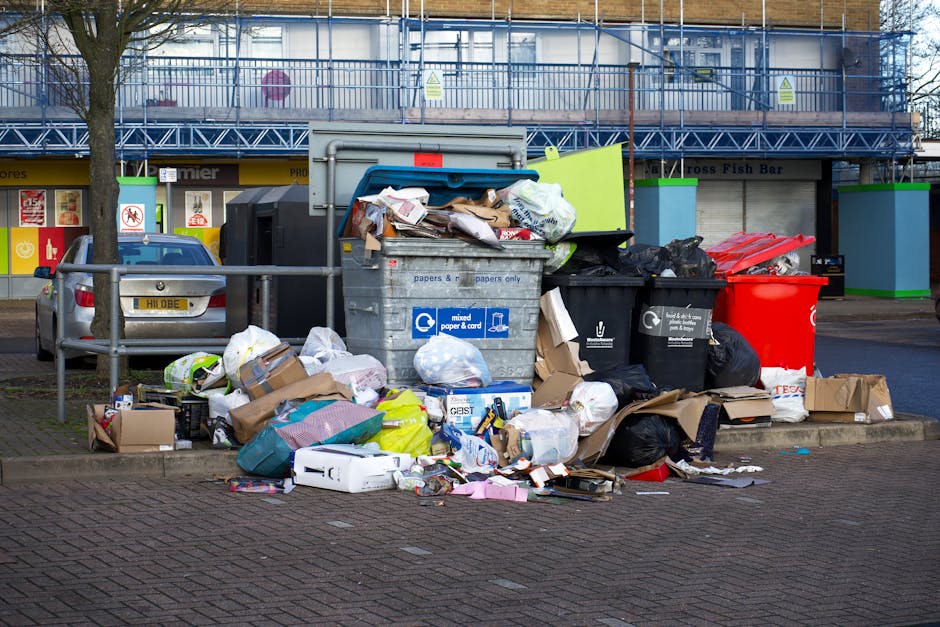
If you live, work, or manage a property around Finsbury Park Station, rubbish can pile up faster than you expect. A flat clearance after a move, a few broken chairs from an office refresh, garden waste after a weekend tidy-up, or builders' rubble from a small project all add the same problem: where does it go, and how do you get rid of it without turning the day into a stress marathon? That is exactly where rubbish collection near Finsbury Park Station made simple becomes genuinely useful.
This guide breaks the process down in plain English. You will learn how collection usually works, what to check before you book, which service types suit different situations, and how to avoid the common mistakes that waste time and money. It is practical, local-minded, and aimed at helping you make a sensible decision quickly. No drama. Just clarity.
Why rubbish collection near Finsbury Park Station matters
Finsbury Park is busy, and that matters more than people think when waste needs moving. Roads can be tight, parking can be awkward, and there is often a mix of residential blocks, small businesses, shared houses, and renovation projects all happening in the same few streets. If you leave rubbish sitting for too long, it can get in the way of neighbours, attract complaints, and make a space feel messier and more chaotic than it really is.
There is also a very ordinary but important reality: most people do not have time to load a vehicle, drive to a disposal point, queue, unload, and then clean up the bits that fall out along the way. Let's face it, that sounds manageable until it is your Saturday afternoon and the back of the hallway is full of old drawers, packaging, and a mattress you cannot fold in half. A proper collection service removes the friction.
For local homes and businesses, it also helps to keep projects moving. A flat sale, a rental turn-around, an office reset, or a builder's end-of-job clear-up can all stall if rubbish is not dealt with promptly. When collection is simple, everything else becomes easier too. Less waiting. Less clutter. Less faff.
Key takeaway: the real value of local rubbish collection is not just disposal; it is speed, convenience, and a cleaner handover for whatever happens next in the property.
How rubbish collection near Finsbury Park Station made simple works
In most cases, the process is straightforward. You describe what needs removing, explain roughly how much there is, agree a collection time, and the waste is taken away from the property. The best services keep the process light on admin and clear on expectations. That matters, because nobody wants a long, confusing exchange just to get rid of a few bulky items.
A typical collection might begin with a photo message or a short description. For larger or mixed loads, a site visit or more detailed quote may be sensible. If the waste is mainly furniture or household items, the pricing and removal plan can often be worked out quickly. For heavier loads, awkward access, or building waste, the service provider may need a little more detail about stairs, parking, and loading points.
If you are planning a broader clearance, it can help to think in categories. For example, a flat move may need flat clearance, while an office refresh might be better handled through office clearance or business waste removal. A pile of old sofas and tables may be suited to furniture disposal or furniture clearance. Matching the job to the right service type usually saves time.
After collection, the waste should be sorted for recycling or disposal according to its type. Good operators do not just sling everything into a van and hope for the best. They separate reusable, recyclable, and non-recyclable materials where possible. That is better for compliance, and honestly, better for the planet too.
Key benefits and practical advantages
The main benefit is obvious: you do not have to deal with the waste yourself. But there are several smaller wins that make local collection genuinely worthwhile.
- Faster turnaround: rubbish is removed in one visit instead of spreading the job across several days.
- Less physical strain: no repeated lifting, carrying, or loading heavy items into a car.
- Better access handling: collections can be planned around narrow stairwells, shared entrances, and busy streets near the station.
- Cleaner presentation: ideal before a sale, tenancy change, office inspection, or family gathering.
- Reduced disruption: a scheduled visit is often less disruptive than trying to manage disposal yourself.
- More responsible sorting: mixed waste can be handled with recycling in mind rather than sent straight to landfill.
There is also a peace-of-mind factor. Once the waste is gone, the space instantly feels calmer. You notice it in the echo of an empty room, the easier movement in a hallway, the fact you can open a window without seeing a stack of old boxes. Small thing? Maybe. But it changes how a place feels.
For landlords and local businesses, the practical advantage is time saved. For residents, it is often about not having to co-ordinate a van, a permit, and a few willing friends who may or may not appear on the day. We all know how that tends to go.
Who this is for and when it makes sense
Rubbish collection near Finsbury Park Station can help a wide range of people. The service is not just for major clear-outs. In fact, some of the most common jobs are small and very ordinary.
- Homeowners clearing clutter after a move, refurbishment, or seasonal tidy-up.
- Tenants who need to leave a flat clean and ready for inspection.
- Landlords and letting agents dealing with abandoned items or end-of-tenancy leftovers.
- Offices replacing furniture, filing cabinets, or old equipment.
- Builders and tradespeople with rubble, timber, packaging, and mixed site waste.
- Garden owners who have cuttings, soil, or broken outdoor items to remove.
- Garage or loft owners finally dealing with years of stored stuff.
It makes sense whenever the waste is too bulky, too much, or too awkward for normal household disposal. It also makes sense when time is tight. A lot of people wait until the pile has become annoying enough to act. Fair enough. That is usually the moment when collection stops being a nice-to-have and becomes the sensible option.
If the job involves a full property clear-out, you may want to look at house clearance or home clearance. For bigger storage spaces, loft clearance and garage clearance are often the better fit. If the job is outdoors, garden clearance can save a lot of effort after pruning, landscaping, or a general tidy-up.
Step-by-step guidance
If you want rubbish collection to be simple rather than stressful, the trick is to prepare just enough. Not too much. Just enough to make the visit smooth.
- Sort the waste into broad groups. Keep furniture, bagged rubbish, cardboard, garden waste, and builder's waste separate if you can. It makes quoting easier.
- Note access issues early. Mention stairs, lift access, parking restrictions, narrow hallways, or a distance from the road. These details really matter around Finsbury Park.
- Take a few clear photos. One wide shot and one close-up are usually enough for a quick assessment.
- Check what cannot be collected. Some items may need special handling, so ask before the day rather than guessing.
- Choose the right service type. A single sofa needs a different approach from a stripped-out office or a builders' skip alternative.
- Confirm timing and payment terms. Make sure you understand what is included, what might cost extra, and how the appointment is handled if access changes.
- Clear the route. Move small items, open gates, and make the path to the collection point as easy as possible.
- Walk through the load before it leaves. A quick check helps avoid leaving behind the one annoying item you meant to remove. It happens all the time.
If you are unsure whether your job is mainly furniture, mixed rubbish, or a bit of both, it can help to speak plainly about the space rather than the item list. For example: "two-bed flat, mostly household junk, plus a wardrobe and some broken shelves." That is more useful than trying to sound precise. Truth be told, practical descriptions work better than perfect labels.
Expert tips for better results
A few small habits can make the whole collection go more smoothly. They are not complicated, but they save a surprising amount of frustration.
- Be honest about volume. Underestimating the load usually slows things down more than people expect.
- Tell the provider about awkward items. A piano, wet carpet, heavy stone, or oversize cabinet changes the job considerably.
- Keep mixed waste under control. If recyclables are mixed with food waste or general rubbish, sorting becomes messier and slower.
- Group items near the exit where safe. This reduces carrying time and helps avoid damage to walls or floors.
- Book earlier for busy periods. End-of-month moves and weekend clear-outs are often busier than you think.
- Ask about recycling and reuse. Responsible handling should be part of the conversation, not an afterthought.
One of the best habits is simply to take five minutes before the appointment and look around with fresh eyes. You will spot the loose shelf bracket, the bin bag tucked behind the door, or the broken lamp you forgot about. A small pause can save a second trip. And nobody wants a second trip.
If your project is commercial, pairing collection with office clearance or business waste removal is often more efficient than treating each item as a separate problem. Same with renovations: builders waste clearance can be a better route than trying to improvise disposal for rubble, plasterboard, and packaging.
Common mistakes to avoid
Most rubbish collection problems are caused by avoidable assumptions. The good news is that they are easy to sidestep once you know what to look for.
- Not checking access: a van may not be able to park close enough if the street is busy or restricted.
- Forgetting item details: one big heavy item can affect the price and the timing.
- Mixing waste types blindly: some materials need more care than others.
- Leaving everything until the last minute: this creates stress and often reduces choice.
- Assuming all rubbish is the same: furniture, soil, rubble, electrical items, and general waste are handled differently.
- Ignoring the paperwork side: for businesses especially, documentation and duty of care should not be brushed aside.
Another common mistake is trying to over-explain the job with too many small details, while missing the one thing that actually matters. For example, a collection crew may care far more about a broken lift and third-floor access than the colour of the sofa. Helpful, but not essential.
To be fair, nobody is expected to know every disposal rule. That is why asking the right questions before the collection is so useful.
Tools, resources and recommendations
You do not need specialist equipment to arrange rubbish collection, but a few simple tools make the process easier and safer.
- Phone camera: for clear photos of the load and access route.
- Marker pen or labels: useful if you want to separate keep, recycle, and remove items.
- Basic gloves: sensible when moving dusty or sharp-edged items.
- Tape measure: helpful for oversized furniture or narrow hallways.
- Bin bags and boxes: for loose clutter, paperwork, or mixed household bits.
On the service side, it is worth looking at pages that explain scope and expectations clearly. A provider's pricing and quotes information should help you understand how jobs are assessed, while recycling and sustainability guidance should explain what happens to collected waste. If you want to understand how the business operates, about us is also worth a look.
If you are arranging payment online or by card, it is wise to review payment and security. That is not being paranoid; it is just sensible housekeeping. Same with the service terms. A quick read of terms and conditions can prevent awkward surprises later.
Law, compliance, standards and best practice
Waste collection in the UK is not just a convenience issue. Businesses, landlords, and anyone arranging removal should think carefully about lawful disposal and responsible handling. Without getting tangled up in legal jargon, the key point is simple: waste should be passed to a legitimate operator and handled in a way that fits the type of material being collected.
For businesses in particular, there is usually an expectation of proper record-keeping and duty of care. That means you should know who collected the waste, what was taken, and that the waste will be managed appropriately afterwards. If the job involves construction debris, garden spoil, or mixed office waste, it is sensible to ask how those streams are separated.
Health and safety also matters. Heavy lifting, sharp edges, dust, and awkward access can all create risks. A good provider should work carefully, use sensible handling methods, and take access concerns seriously. If you are comparing services, pages like health and safety policy and insurance and safety are useful trust signals.
It is also worth noting that certain materials may need specialist handling or separate arrangements. Rather than guessing, ask first. That small pause can prevent compliance problems and, frankly, save a headache.
For transparency and customer confidence, good operators should also make their complaints process and data practices easy to find. Pages such as complaints procedure, privacy policy, and cookie policy help show that the company is taking the basics seriously. That kind of detail matters more than people admit.
Options, methods and comparison table
There are a few ways to deal with rubbish near Finsbury Park Station. Which one is best depends on what you are removing, how quickly it needs to go, and how much effort you want to put in yourself.
| Method | Best for | Pros | Trade-offs |
|---|---|---|---|
| Professional rubbish collection | Mixed waste, bulky items, urgent clear-outs | Fast, convenient, less lifting, handled for you | Usually costs more than doing it yourself |
| Self-haul disposal | Small loads and flexible schedules | Can be cheaper if you already have transport | Time-consuming, physical effort, parking and loading hassle |
| Property-specific clearance | Whole rooms, whole flats, office resets | Structured, efficient, ideal for larger jobs | May be more service than you need for a tiny load |
| Specialist waste clearance | Builders waste, garden waste, furniture-heavy jobs | Better matching to the waste type | Needs more accurate item description upfront |
In practice, the easiest route for many readers is a normal rubbish collection service with clear photos and a realistic description. If the job turns out to be bigger, it can be moved into a more specific service type. That is usually the smoothest path.
Case study or real-world example
Imagine a two-bed flat a short walk from the station. The tenant has moved out, the landlord has a tight turnaround, and the rooms contain a broken wardrobe, a mattress, three bags of mixed clutter, and a pile of cardboard from a recent delivery. Nothing dramatic. Just messy enough to slow the next step.
The first pass is simple: photos are taken, access is checked, and the provider is told that the property is on an upper floor with shared hallway access. The load is described as mixed household waste with a couple of bulky furniture items. On the day, the collection is planned so the awkward items come out first, cardboard is flattened, and the bags are moved last. The hallway stays clear, the job is done in one visit, and the flat is ready for cleaning.
What made the difference? Not magic. Just good preparation, the right service type, and honest details about access. That is usually how the best collections happen. A bit boring, maybe. But boring is good when the rubbish is gone.
For a bigger household move, the same pattern applies, only on a wider scale. A house clearance or home clearance can remove the mental clutter as much as the physical stuff. Once the spare room is clear, people often realise how much space they had all along.
Practical checklist
Use this quick checklist before your collection appointment. It keeps things straightforward.
- Have you listed the main items to be removed?
- Have you included photos of the waste and the access route?
- Do you know whether the job is general rubbish, furniture, builders waste, or mixed?
- Have you mentioned stairs, parking limits, or restricted loading access?
- Are any items unusually heavy, fragile, or awkward?
- Have you checked what should be kept aside?
- Do you understand the quote and what it includes?
- Have you cleared a path from the waste to the exit?
- Do you know what time the collection is expected?
- Have you confirmed the provider's contact details in case plans change?
If you can tick off most of these, you are already ahead of the game. Not perfect. Just prepared. And that is usually enough.
Get a free quote today and see how much you can save.
Conclusion
Rubbish collection near Finsbury Park Station made simple is really about removing friction. The fewer unknowns you leave in the process, the easier the whole job becomes. Clear photos, honest access details, the right type of service, and a little bit of planning can turn a stressful pile of waste into a tidy, finished task.
Whether you are clearing a flat, refreshing an office, dealing with garden waste, or sorting a builders' load, the same principle applies: keep it practical, keep it clear, and do not overcomplicate it. That is especially helpful in a busy local area where time, parking, and access can all be a bit tight.
And once it is done, you notice it straight away. The room breathes again. The hallway feels wider. The job is off your mind. Small win, maybe - but a real one.
Frequently Asked Questions
What counts as rubbish collection near Finsbury Park Station?
It usually refers to the removal of household, office, bulky, or mixed waste from properties close to the station area. That can include bags, furniture, cardboard, garden waste, and similar items.
How do I know whether I need rubbish collection or a full clearance?
If you have a few loose items or a moderate load, rubbish collection may be enough. If you are clearing whole rooms, a loft, a garage, or an entire property, a fuller service such as house clearance or flat clearance is often more suitable.
Can furniture be included in rubbish collection?
Yes, in many cases it can. Sofas, tables, wardrobes, and similar items are often handled through furniture clearance or furniture disposal, depending on the size and condition of the load.
What should I tell the provider before booking?
Give a clear description of the waste type, approximate volume, access details, parking restrictions, and whether any items are particularly heavy or awkward. Photos are usually very helpful.
Is rubbish collection useful for landlords and letting agents?
Very much so. It helps when a tenant leaves items behind, when a property needs a quick turnaround, or when a flat has to be made ready for cleaning and inspection.
What about builders waste or renovation debris?
That should usually be treated separately from standard household rubbish. Builders waste clearance is a better fit for rubble, plasterboard, timber offcuts, and mixed renovation material.
How can I make collection day easier?
Group items near the exit if it is safe, flatten cardboard, keep waste types broadly separated, and make sure the route from the property to the loading point is clear.
Will rubbish collection near Finsbury Park Station work for businesses too?
Yes. Offices, shops, and other local businesses often use office clearance or business waste removal when furniture, packaging, or general waste starts building up.
What are the main mistakes people make?
The biggest ones are underestimating volume, forgetting access issues, leaving everything until the last minute, and mixing different waste types without telling the provider.
Why does recycling matter in waste collection?
Recycling helps reduce the amount of waste sent for disposal and supports more responsible handling. It is one of the clearest signs that the operator is taking environmental responsibility seriously.
Do I need to worry about safety and insurance?
Yes, especially for heavier or awkward jobs. It is sensible to check health and safety arrangements and insurance and safety information before booking, particularly if waste needs to be carried through shared spaces or up stairs.
How do I choose the right service page on the website?
Start with the type of waste and the size of the job. For example, use garden clearance for outdoor waste, loft clearance for storage spaces, and office clearance for workplace items. If the job is mixed, waste removal may be the simplest place to begin.
Where can I learn more about the company before booking?
You can review the about us page, pricing and quotes, terms and conditions, and recycling and sustainability information to understand how the service works and what standards it follows.