N4 Rubbish Rules and Recycling Points Near Finsbury Park
If you live, work, rent, or manage property in N4, rubbish is rarely just "rubbish". It is a timing issue, a storage issue, a recycling issue, and sometimes a neighbour-relations issue too. Miss the wrong collection day, leave bags out too early, or dump the wrong material in the wrong bin, and the problem becomes immediately visible on the street. This guide to N4 Rubbish Rules and Recycling Points Near Finsbury Park explains how local waste sorting works in practical terms, where recycling points fit into the picture, and what to do when you have more than the usual household load.
Whether you are clearing a flat, dealing with old furniture, or trying to work out what to do with broken electronics and garden offcuts, the goal is the same: dispose of waste legally, safely, and with as little friction as possible. You will also find a realistic overview of service options, useful comparisons, and a clear checklist you can use before putting anything out for collection.
Table of Contents
- Why N4 Rubbish Rules and Recycling Points Near Finsbury Park Matters
- How N4 Rubbish Rules and Recycling Points Near Finsbury Park Works
- Key Benefits and Practical Advantages
- Who This Is For and When It Makes Sense
- Step-by-Step Guidance
- Expert Tips for Better Results
- Common Mistakes to Avoid
- Tools, Resources and Recommendations
- Law, Compliance, Standards, or Best Practice
- Options, Methods, or Comparison Table
- Case Study or Real-World Example
- Practical Checklist
- Conclusion
- Frequently Asked Questions
Why N4 Rubbish Rules and Recycling Points Near Finsbury Park Matters
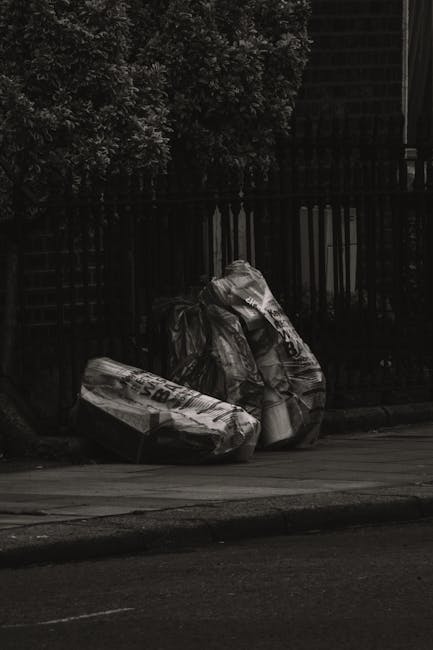
N4 sits in a busy, highly lived-in part of North London. That matters because waste management is not just about convenience; it affects streetscape, pest control, shared building standards, and how smoothly local recycling infrastructure can operate. In a dense area near Finsbury Park, one overloaded bin bag left beside a communal bin can create a chain reaction. More bags appear, the pavement narrows, and suddenly what started as a small mistake becomes a block-wide eyesore.
For residents, the main benefit of knowing the rules is simple: you avoid preventable problems. For landlords, letting agents, and small businesses, the benefit is even bigger because waste complaints can quickly become part of a broader property management issue. If you are sorting a move-out or a refurb, services such as flat clearance in Finsbury Park or home clearance can help when the volume is too large for normal household disposal.
There is also a financial side. Putting the right material in the right stream can reduce avoidable charges, save time, and help you avoid the far greater cost of fly-tipping penalties or re-collection fees. Truth be told, waste that is well sorted tends to be easier to deal with in every direction: quicker to remove, simpler to recycle, and less likely to trigger a dispute with neighbours or building management.
Expert summary: In N4, the smartest rubbish strategy is usually the least dramatic one: sort early, store waste securely, use local recycling points for suitable items, and arrange a professional clearance when the load no longer fits normal collection rules.
How N4 Rubbish Rules and Recycling Points Near Finsbury Park Works
At a practical level, waste disposal in N4 generally falls into a few categories: normal household collections, recycling streams, special drop-off points, and paid clearance or removal services for bulky or mixed waste. The exact rules can vary by property type, building setup, and the type of item you need to dispose of, so the safest habit is to treat each waste stream separately instead of assuming everything can go in the same bin.
For everyday waste, residents typically rely on domestic bin collections and local recycling facilities. For items that are too large, awkward, or potentially hazardous, recycling points near Finsbury Park and professional waste services become more relevant. A broken chair, a mattress, a sack of mixed renovation debris, and a pile of old office files all need slightly different handling. That is where a bit of planning pays off.
If you are dealing with household items that are still reusable, it may make sense to separate them for donation, resale, or specialist collection before sending the rest for disposal. Furniture is a good example. Some pieces can be collected for reuse, while others are better handled through furniture disposal support or a broader furniture clearance service.
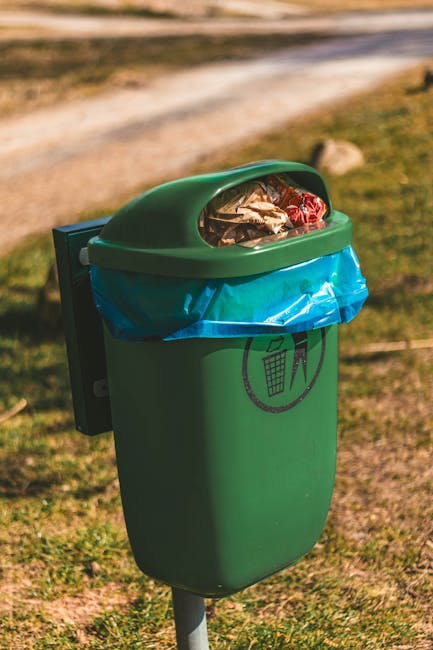
Nearby recycling points are most useful when you have small or medium quantities of acceptable materials: cans, glass, paper, cardboard, selected plastics, textiles, small electricals, and garden waste in some cases. They are not a substitute for a proper clearance if you have a van-load of mixed items. If you are already juggling bags, broken shelving, and a few bulky pieces, it is usually more efficient to book a dedicated waste removal service than to make multiple trips.
One point many people miss: recycling points are not just about convenience; they are about matching the material to the right processing route. If an item contains mixed components, or if it has contamination such as food residue, paint, oil, or wet plaster, it may be rejected. That is why pre-sorting matters.
Key Benefits and Practical Advantages
Getting your rubbish rules and recycling approach right brings more than just tidier bins. The practical benefits show up in everyday life very quickly.
- Less clutter outside your home or building: Properly timed disposal keeps shared spaces clearer and safer.
- Fewer rejected items: If you sort waste correctly, you are less likely to discover that a load has been refused.
- Better recycling outcomes: Clean, separated materials are more likely to be recycled rather than treated as residual waste.
- Reduced stress during moves or refurbishments: Bulk disposal becomes much easier when you know what should go where.
- Lower risk of complaints: Especially in flats and converted houses, waste handling can affect neighbour relations surprisingly fast.
There is also a quality-of-life angle. Few things make a hallway or forecourt feel worse than old rubbish sitting there for days. A clean and orderly waste routine gives a building a calmer feel. It sounds minor until you are the person stepping over a leaking bag on a Monday morning.
For business premises, good waste separation can support a more professional image and easier compliance. If your company in or near N4 generates regular mixed waste, looking at business waste removal or office clearance can be a sensible operational choice rather than an afterthought.
Who This Is For and When It Makes Sense
This topic is relevant to far more people than just those doing a spring clean. In practice, the people who benefit most are the ones dealing with regular accumulation, limited storage, or a deadline.
- Flat renters: Common when you have tight bin storage, shared waste areas, or move-out pressure.
- Homeowners: Especially if lofts, garages, or gardens have become overflow zones.
- Landlords and managing agents: Useful for end-of-tenancy cleanouts and quick turnarounds.
- Small businesses: Offices, studios, and shops often generate mixed recyclable and non-recyclable waste.
- Tradespeople: Builders, decorators, and installers need a practical way to clear residual material.
It makes sense to pay close attention to local rubbish rules when you are dealing with any of the following:
- bulky furniture or appliances
- loft or garage clear-outs
- post-refurbishment debris
- garden waste after pruning or landscaping
- large volumes of packaging, cardboard, or mixed office waste
- items that may need careful handling, such as screens, batteries, or old electronics
If your situation is more one-off than ongoing, a targeted service can save time. For example, a one-time garage clearance is often more efficient than trying to piece together several local disposal trips over a weekend.
Step-by-Step Guidance
If you want a straightforward way to handle waste near Finsbury Park, use this approach. It works for most homes, flats, and small premises.
- Identify each waste type. Separate general rubbish, recycling, reusable goods, bulky items, garden material, and anything potentially hazardous.
- Check what can go into local recycling streams. Clean paper, cardboard, glass, tins, and approved plastics are the obvious starting points, but always verify anything unusual before adding it to a load.
- Make bulky items a separate decision. Sofas, wardrobes, mattresses, and white goods are rarely best treated as ordinary bin waste. Consider collection, reuse, or specialist disposal.
- Keep materials clean and dry where possible. Wet cardboard, food-soiled packaging, or paint-covered debris can reduce recycling value or lead to rejection.
- Use the nearest sensible recycling point for suitable items. This is ideal for smaller quantities and helps avoid overflowing shared bins.
- Book a clearance service if the amount is larger than your vehicle or bin capacity. For bigger jobs, a scheduled collection is usually less stressful than improvising.
A realistic example: if you are clearing a one-bedroom flat and find a broken desk, a mattress, several bags of mixed waste, and a box of old kitchen bits, it is usually more efficient to separate the recyclables, bag the residual rubbish, and arrange a single collection for the bulky pieces. This is precisely where flat clearance can make the process much smoother.
For households with ongoing storage problems, a broader service like house clearance or loft clearance is worth considering, especially if the waste has built up over months rather than days.
Expert Tips for Better Results
There are a few habits that consistently make waste disposal easier around Finsbury Park. None of them are glamorous, but they work.
- Pre-sort before the bin day rush. Doing it the night before usually leads to mistakes. Sort earlier, when you are not trying to beat the clock.
- Flatten cardboard and packaging. It takes less space and makes shared bins far more manageable.
- Keep a "do not recycle" box. Items like tangled cables, broken crockery, and contaminated packaging are easier to handle when isolated from clean recyclables.
- Protect the route from storage to collection. In flats and narrow hallways, bag tears and spills often happen on the way out rather than at the bin.
- Think about reuse first. A decent cupboard, table, or chair may still have a second life. If not, at least you will know you tried the more sustainable route.
Another practical tip: photograph larger loads before they are moved. This is useful for landlords, office managers, and anyone booking a service that needs a clear scope. It also helps avoid misunderstandings about how much material is actually involved. A pile looks smaller until it is in a van.
For item-specific disposal, such as furniture or general household goods, browsing a provider's sustainability approach can be useful. See recycling and sustainability information for an example of how responsible disposal is often framed by professional clearance companies.
Common Mistakes to Avoid
Most rubbish problems near Finsbury Park are not caused by dramatic errors. They are caused by small, repeated assumptions.
- Mixing everything into one load: This is the fastest route to rejected recyclables and unnecessary landfill waste.
- Leaving bags beside bins too early: In shared spaces, this can lead to mess, pests, and complaints.
- Putting bulky items out without planning: Oversized furniture needs a different disposal route.
- Ignoring contamination: Food residue, liquids, paint, and chemicals can spoil recyclable materials.
- Assuming every collection point accepts everything: That is rarely true, and it can waste a whole trip.
- Using informal disposal channels: If someone offers to "take it away" cheaply, ask exactly where the waste is going and how it will be handled.
One of the more common mistakes in busy neighbourhoods is underestimating how quickly a small issue becomes a shared one. A single overfilled bin can affect the whole entrance, not just one household. That is why local discipline matters.
If you are already in the territory of large or mixed waste, it can be safer and faster to book a professional team rather than trying to solve it piecemeal. If your situation involves office furniture, filing cabinets, or commercial overspill, office clearance is often the cleaner option.
Tools, Resources and Recommendations
You do not need fancy equipment to manage waste well, but a few simple tools help a lot.
- Strong reusable bags or sacks: Better than weak bin liners for heavier mixed waste.
- Labels or marker pens: Handy for marking recyclables, reuse items, and "do not recycle" materials.
- Gloves: Useful when handling dusty loft waste, garage clutter, or old packaging.
- Basic measuring tape: Helps estimate bulky items before booking a clearance.
- Phone camera: Useful for documenting items, getting quotes, and keeping records for property handovers.
For a sensible next step, use local recycling points for clean, acceptable material and reserve professional support for mixed or bulky waste. If your load includes garden cuttings, branches, soil-related waste, or old outdoor furniture, a garden clearance can save a great deal of lifting and sorting.
For business users or property managers, it is also worth checking service pages that explain logistics, safety, and pricing before booking. A clear provider should make the process predictable. If not, that is a useful warning sign in itself.
Law, Compliance, Standards, or Best Practice
Waste handling in the UK is governed by legal and practical standards that are there for a reason: to prevent pollution, fly-tipping, and unsafe disposal. While the exact obligations vary depending on whether you are a resident, landlord, tradesperson, or business, a few principles apply broadly.
First, waste should go to an authorised route. That means using legitimate collection services or approved recycling facilities rather than handing rubbish to an unverified collector. If waste is fly-tipped, the person who produced it may still be questioned, so keep records and choose carefully.
Second, hazardous items need special care. Batteries, paints, chemicals, and certain electrical items should not be treated like general rubbish. They require the right route and, in many cases, the right container or drop-off method.
Third, businesses should be especially careful. Commercial waste usually needs a more structured approach than household rubbish. A good provider will be clear about collection, transfer, and handling practices. If you are looking into service standards, pages such as health and safety policy and insurance and safety information are worth reviewing before booking anyone to handle your waste.
Best practice is simple: separate waste streams, keep a basic record of disposal where it matters, avoid leaving waste in public spaces, and never assume that "someone else will sort it out later". Later usually means messier.
Options, Methods, or Comparison Table
Different waste types call for different solutions. Here is a practical comparison to help you choose the right route without overcomplicating things.
| Option | Best for | Strengths | Limitations |
|---|---|---|---|
| Kerbside household collection | Routine household waste and standard recycling | Convenient, familiar, low effort | Limited to accepted materials and scheduled days |
| Local recycling points | Smaller quantities of clean recyclable items | Good for sorting and material recovery | Not suitable for bulky, dirty, or mixed loads |
| Bulky waste collection | Furniture, appliances, and large household items | Saves lifting and transport effort | May need booking and item-specific preparation |
| Full clearance service | Flats, houses, offices, garages, lofts, and mixed loads | Fast, scalable, and practical for bigger jobs | Less suitable for tiny one-off items |
For many people, the right answer is not one option but a combination. You might take clean recycling to a point, donate useful furniture, and book clearance for the rest. That hybrid approach often gives the best balance of convenience and sustainability.
If you need a specialised clearance route for rooms or building zones that have become overloaded, the following pages can help you match the solution to the problem: builders waste clearance for renovation debris and furniture clearance for bulky household pieces.
Case Study or Real-World Example
Consider a typical N4 flat-share situation. Three residents move out over the course of a weekend. The hallway suddenly contains a dismantled bed frame, a tired sofa, several cardboard boxes, an old desk, mixed kitchen waste, and a few bags of recycling. None of it is extreme on its own. Together, it is a logistical headache.
The sensible approach is to sort the items into three groups:
- Recyclables: clean cardboard, paper, and suitable packaging.
- Reusable goods: any furniture or household items still in decent condition.
- Residual and bulky waste: damaged furniture, broken items, and mixed rubbish.
The residents then take the clean recyclables to the appropriate point, set aside usable items for reuse, and arrange a collection for the rest through a flat clearance service. Instead of several stressful trips, they solve the whole problem in one organised sweep. The building manager is happier, the hallway is clear, and the waste is handled through the right channels.
That is the underlying pattern behind good rubbish management near Finsbury Park: not perfection, just good enough organisation to prevent small messes turning into expensive time sinks.
Practical Checklist
Use this before you move anything outside or head to a recycling point.
- Have I separated recyclables from general waste?
- Are the items clean, dry, and suitable for recycling?
- Do any items need special handling because they are bulky, sharp, or hazardous?
- Could any item be reused, donated, or sold first?
- Do I know whether the local point accepts this type of material?
- Is the waste too much for normal bin collections?
- Do I have a safe path for moving items out of the property?
- Have I checked the likely collection or disposal route for large items?
- Have I taken a photo or made a list for records if needed?
- Would a professional clearance save time and reduce handling risk?
If you can answer "yes" to the first four and "no" to the rest, you are probably in good shape for a simple local drop-off. If not, it is usually wiser to plan a proper collection than to improvise.
Conclusion
Managing rubbish in N4 and using recycling points near Finsbury Park is mostly about making calm, sensible decisions before the waste becomes a problem. Separate what can be recycled, keep bulky items out of ordinary bin streams, use local points for the right materials, and choose a clearance service when the amount or type of waste goes beyond everyday handling.
Done well, this saves time, protects shared spaces, and reduces the risk of costly mistakes. Done badly, even a small pile can become a nuisance to everyone nearby. The good news is that the solution is usually straightforward once you know what belongs where.
If you are dealing with a larger house, flat, office, or mixed waste project, it is sensible to compare your options early and choose the least stressful route before the clutter starts taking over the room.
Get a free quote today and see how much you can save.
Frequently Asked Questions
What counts as recyclable waste near Finsbury Park?
Generally, clean paper, cardboard, glass, cans, and certain plastics are the most common household recyclables. Always check local acceptance rules for less obvious items, because contamination or mixed materials can lead to rejection.
Can I take bulky furniture to a recycling point?
Usually not in the same way you would take bottles or cardboard. Bulky furniture often needs a dedicated collection, reuse route, or specialist disposal service, especially if it is large, heavy, or made from mixed materials.
What should I do with old mattresses or broken sofas?
These items are typically best handled through a bulky waste or clearance service. They are awkward to transport and rarely suitable for ordinary recycling points unless a specific facility accepts them.
Are recycling points near Finsbury Park free to use?
Some are free for household recycling, while others may have restrictions or separate rules depending on the material and the site. It is sensible to check the terms before you travel, especially for non-standard items.
What if my bin is full before collection day?
Do not leave loose waste beside the bin if you can avoid it. Sort any recyclables, keep remaining rubbish secure, and use an appropriate recycling point or arrange a collection if the volume is consistently too high.
Can I recycle broken electrical items in N4?
Small electricals often need separate handling. Many recycling points or specialist facilities accept them, but they should not be mixed with normal household rubbish. Batteries in particular need careful disposal.
Is it better to book a clearance service or make multiple recycling trips?
That depends on volume, time, and access. If the waste is light and limited, multiple trips may be fine. If you have bulky furniture, mixed debris, or a tight deadline, a clearance service is often the more practical choice.
What happens if I put the wrong item in recycling?
The load may be rejected or treated as general waste. In shared systems, contamination can affect other people too, which is why pre-sorting matters more than many people expect.
Can landlords or agents arrange waste removal for tenants?
Yes, and in many cases it is the most efficient way to deal with end-of-tenancy waste, leftover furniture, or communal overspill. It can help restore the property quickly and reduce complaints.
What is the difference between waste removal and clearance?
Waste removal is usually the broader term for taking waste away. Clearance generally means removing a specific load from a room, property, or site, often involving sorting, lifting, and loading by the provider.
How do I know if waste should be treated as hazardous?
If it includes chemicals, paints, oils, batteries, fluorescent tubes, or certain electrical components, treat it with extra caution. When in doubt, do not mix it with normal rubbish. Check the correct disposal route first.
What is the best option for a mixed house clear-out?
A combination approach usually works best: reuse what you can, recycle the clean material, and book a full house or home clearance for the rest. For larger projects, home clearance or house clearance can be the simplest route.
How can I keep waste management safe in a shared building?
Use bags that will not split easily, avoid blocking walkways, do not overfill communal bins, and move bulky items only when there is a clear route. If the load is substantial, book a professional team that can handle it efficiently and safely.
Where can I learn more about responsible disposal practices?
Look for providers that explain their disposal process, safety standards, and recycling approach clearly. Useful supporting pages include recycling and sustainability, health and safety policy, and contact and quote information if you want to discuss a specific job.